1. Assertive चे Exclamatory करतांना वाक्यात a, an ही उपपदे (Articles) असल्यास what ने वाक्य सुरू करावे नसल्यास How ने सुरूवात करावी.
2. वाक्यात असणारे very किंवा indeed असे शब्द काढून टाकावे. नसल्यास वापरू नये.
3. या शाब्दानंतरचे शब्दसमुह लिहून घ्यावेत.
4. त्यानंतर वाक्याच्य सुरूवातीस असणारा कर्ता, क्रीयापद वापरुन शेवटी उद्गारवाचक चिन्ह द्यावे.
Change the following Assertive sentences into Exclamatory:
It is a very nice bird.
Excl: What a nice bird it is!
This was the most exciting match.
Excl: What an exciting match this was!
They were the most wonderful examples.
Excl: How wonderful examples they were!
The rose is a very beautiful flower.
Excl: What a beautiful flower the rose is!
The rose is very beautiful.
Excl: How beautiful the rose is!
He plays very nicely.
Excl: How nicely he plays!
The day is very hot.
Excl: How hot the day is!
The sun shines very hotly.
Excl: How hotly the sun shines.
It was a very lovely day.
Excl: What a lovely day it was!
We loved him very warmly.
Excl: How warmly we loved him!
It was a very cold day.
Excl: What a cold day it was!
The cuckoo sings very sweetly.
Excl: How sweetly the cuckoo sings!
The crow is a very black bird.
Excl: What a black bird the crow is!
India is a very peaceful country.
Excl: What a peaceful country India is!
China grows so fast.
Excl: How fast China grows!
He works very diligently.
Excl: How diligently he works!
It is a horrible night.
Excl: What a horrible night it is!
Exclamatory And Assertive Sentences
Make Assertive Sentences
सुत्र : Sub + Verb + (a) very + ईतर शब्द ( adj , noun )
1. Exclamatory वाक्यातील शेवटी असणारे कर्ता व क्रीयापद सुरूवातीस वापरावे
2.त्यात a an असल्यास a very असे वापरावे नसल्यास फक्त very वापरावे.
3. What , How हे शब्द वगळावे 4. उर्वरीत इतर शब्द लिहून (.) fullstop द्यावा.
Change the following Exclamatory sentences into Assertive:
How sweetly the girl sings!
Assertive: The girl sings very sweetly.
What a beautiful flower lotus is!
Lotus is a very beautiful flower.
What a dangerous thing politics is!
Politics is a very dangerous thing.
How fiercely the sun is shining!
The sun is shining very fiercely.
How melodiously the parrot was singing!
The parrot was singing very melodiously.
What a stupid fellow you are!
You are indeed a stupid fellow.
What an exciting match they presented!
They presented a very exciting match.
What a marvelous picture he produced!
He produced a marvelous picture.
How wisely he planned!
He planned very wisely.
How lovely her face is!
Her face is lovely.
What a certain matter it is!
It is indeed a certain matter.
How confusing the project was!
The project was very confusing.
What a terrible relationship he developed!
He developed a terrible relationship.
What an excellent photograph he got!
He got an excellent photograph.
How lovely the park is!
The park is really lovely.
What a marvelous age we live in!
This is a marvelous age in which we live.
What a wonderful book by R.K.Narayan
Malgudy days is a wonderful book by R.K.Narayan.
What a wonderful book Malgudi Days of R K Narayan is!
Some more Exclamatory And Assertive Sentences
I earnestly desire to do something for my country.
Ans How earnestly I desire to do something for my country!
A silkworm is a hardworking creature.
What a hardworking creature a silkworm is !
It is a horrible night.
What a horrible night it is !
It was extremely base of him to desert your time of need.
How base of him it was to desert you in time of need!
It is hard to believe that he did such a deed.
How hard it is to believe that he did such a did!
I wish I had met you ten years ago.
O! I had met you ten years ago!
It is very stupid of me to forget
your name.
How stupid of me it is to forget your name!
He leads a most unhappy life.
What an unhappy life he leads!
The moonlight very sweetly sleeps upon this bank.
Ans: How sweetly the moonlight sleeps upon this bank! This exercise with examples about Exclamatory And Assertive Sentences will make one ready for the use of English. After studying this you will be competant enough to proudly say yes, English for me and be fearless of English.
The poem ’Father Returning Home’ is taken from ‘Traveling in a cage’- by Dilip Chitre. It draws a portrait of a suburban father as commuter.In this post you will find brainstorming activities and Father Returning Home poem appreciation and 3 question sets as per board pattern of English std 12.
commuters – प्रवाशी suburbs – उपनगर soggy – कुजका stained – डागाळलेली fade – कोमेजली humid – दमट get off the train – उतरणे stale – शीळे contemplate – विचार करणे estrangement – परकेपणा, तेढ trembles – थरथरणे cling – लगटणे, चीपकणे sullen – उदासीन refused – नाकारले static – खरखर आवाज ancestors – वाडवडील nomads – भटका, भटकणारा
Paraphrase of Father Returning Home
The poet’s father returns late in the evening. He finds no room in the local train to sit. He is neglected when commutes from office to home. He is a man of middle class mentality. He is growing old. He hurries towards home. At home there is no proper food and tea. He is not entertained by his children. He passes his time with radio and dreams about his ancestors and grandchildren.
Summary
“Dilip Chitre’s Father Returning Home” is a poem that reflects on the experience of an aging father returning to his family home after a day of work. The poem captures the mundane yet profound moments of the father’s journey as he navigates through the streets, tired and weary. Through vivid imagery and sensory details, Chitre paints a picture of the father’s exhaustion, his stooped posture, and the weight of his burdens. Despite the weariness, there is a sense of quiet dignity and resilience in the father’s demeanor as he makes his way back to his loved ones. The poem evokes feelings of empathy and nostalgia, highlighting the universal themes of family, duty, and the passage of time. Overall, “Father Returning Home” pays tribute to the everyday struggles and sacrifices of ordinary people, while also celebrating the enduring bond between parent and child.
Brainstorming for Father Returning Home by Dilip Chitre
1. Themes
Alienation and Loneliness – The father is physically present but emotionally disconnected from his surroundings and family.
Monotony of Life – His routine is repetitive, highlighting the dullness of his existence.
Urbanization vs. Traditional Life – The poem contrasts city life with personal isolation.
Generation Gap – The father feels distant from his children and the modern world.
Aging and Neglect – The poem portrays the struggles of an aging individual in a fast-moving society.
2. Main Character: The Father
A tired, elderly man returning home from work.
Appears worn out and detached from his surroundings.
Experiences a lonely journey despite being in a crowded train.
At home, he is ignored by his family and spends time in solitude.
Reflects on his life in his sleep, possibly dreaming of the past.
3. Imagery and Symbolism
The Crowded Local Train – Represents urban chaos and isolation despite the crowd.
His Wet Clothes and Shabby Appearance – Reflects his struggle and hardship.
The Dimly Lit Home – Suggests neglect and emotional distance.
Talking to Himself in the Toilet – Symbolizes deep loneliness and a lack of companionship.
4. Structure and Style
Free Verse – No rhyme scheme, mirroring the natural flow of life.
Simple and Direct Language – Makes the poem relatable and impactful.
Visual and Sensory Imagery – Helps readers feel the father’s emotions and surroundings.
Brainstorming on Father Returning Home
(A1) (i) Discuss with your friend the difficulties faced by the father in the poem. (a)The father did not get a seat while commuting to office from home. (b)He worked late in the evening. (c) He was deprived of fresh tea and food. (d) He was not entertained at home.
(ii) Discuss the character sketch of the father with the help of the given points. (His pathetic condition, the treatment he receives at home, his solitude, the way he tries to overcome it) (a) Father was a silent commuter wearing soggy shirts and pants. (b) He had a weak eyesight. At home the children did not treat him well. (c) He was alone at the train and home. (d) He listened to the static on radio and dreamt of his ancestor and grandchildren.
(A2) (i) Given below are the ideas conveyed through the poem. Match the pairs and draw out the hidden meaning from those expressions.
Expressions
Meanings
(a) Children avoid expressing themselves.
(1) Father is so eager to meet family members that he even doesn’t bother about his safety.
(b) Father was deprived of refreshing hot beverages or nourishing diet.
(2) Hostility of children
(c) The father hurries home crossing railway line
(3) Indulge into his past and future.
(d) The father was destined to listen only to the cracking sounds on media.
(4) Uncomfortable journey
(e) His sordid present is devoid of any hope.
(5) His basic daily requirements were also not catered to.
(f) The father’s endless commuting distance him from his children
(6) Father is not less than any tribal wanderer, a modern nomad.
(g) Suburban area, visible through the train, is past unnoticed.
(7) Has least value in the society where his presence or absence might hardly make any difference.
(h) He is just as a small word, dropping from a sentence.
(8) Because there is hardly anything enchanting / interesting in the monotonous routine journey to look out of the window
(i) He doesn’t get a place in a crowded train.
(9) The father couldn’t even fulfil the least expectation of entertaining himself.
Ans : (a) – 2 ; (b) – 5 ; (c) – 1 ; (d) – 9 ; (e) – 7 ; (f) – 6; (g) – 8 ; (h) – 4 ; ( I ) – 6 (ii) Find the lines to prove the following facts from the poem. Father is deprived of good food “Drinking weak tea; eating stale chapatti.” Children did not have a healthy relation with the father. “His sullen children have often refused to share”
(iii) The poet deals with the theme of man’s estrangement from a man-made world. Analyze it with the help of the poem. Ans: In the poem the father is described as alienated from the world and his own family. He travels among the silent commuters. He is neglected by the commuters. He is described as a word dropped from the sentence. He is not entertained at home by his children. The children refused to share simple jokes and daily routine with the father.
(iv) The father contemplates about his past and peeps into his future. Give reasons. Ans: He was alienated from the society and the family. He was not allowed to entertain jokes and stories at home. To overcome his solitude he contemplates about his past and peeps into his future.
(A3) Complete the following using suitable describing words as appeared in the poem with the help of the words given in the brackets : (weak, dim, muddy, soggy, stale) (a) Father’s attire (b) Father’s tea (c) Father’s footwear (d) Father’s food (e) Father’s eyesight Ans : (a) Father’s attire –soggy (b) Father’s tea – weak (c) Father’s footwear – muddy (d) Father’s food – stale (e) Father’s eyesight – dim
(A4) (i) ‘Fade homeward through the humid monsoon night’. In the above line the weather is humid, not the night. The epithet or adjective is transferred from the weather to the night. This figure of speech is Transferred Epithet. Find out such other expressions from the poem. Ans : unseeing eyes, weak tea, gray platform
(ii) Identify and write the lines from the poem which express the following figures of speech. Poetic Devices from Father Returning Home 1. Simile Like a word dropped from a long sentence Father is implicitly compared with a word. 2. Alliteration Suburbs slide A consonantal sound ‘s’ r repeated pleasingly. 3. Onomatopoeia Listening to the static ‘static’ is a sound word. 4. Synecdoche I see him drinking weak tea, eating a stale chapati. Here ‘stale chapati’ stands for stale food, where the part symbolizes the whole, i.e. food. 5. Transferred epithet ‘Fade homeward through the humid monsoon night’. The epithet or adjective ‘humid’ is transferred from the weather to the night.
Question Bank Activity from Father Returning Home
Father Returning Home Home again, I see him drinking weak tea, Eating a stale chapati, reading a book. He goes into the toilet to contemplate Man's estrangement from a man-made world. Coming out he trembles at the sink, The cold water running over his brown hands, A few droplets cling to the greying hairs on his wrists. His sullen children have often refused to share Jokes and secrets with him. He will now go to sleep Listening to the static on the radio, dreaming Of his ancestors and grandchildren, thinking Of nomads entering a subcontinent through a narrow pass.
A1 Complete the given flowchart about father’s activities at home. (02)
Drinking weak tea , eating stale chapati
⬇️
…,……………………………………..
⬇️
…………………….,……………………………..
⬇️Listening to the static on the radio Ans : Drinking weak tea , eating stale chapati
⬇️
Contemplating in toilet
⬇️
Trembling at the sink while cleaning hands
⬇️
Listening to the static on the radio
A2 Find the lines to highlight the relation of children and father. (02)
a) His sullen children have often refused to share
Jokes and secrets with him.
b) Home again, I see him drinking weak tea,
Eating a stale chapati.
A3 Would you like to celebrate ‘Father’s day’? If yes how/ If not why? (02)
Ans : No, I don’t like to celebrate ‘Father’s Day’ . For me every day is a parent’s day. Celebrating one day in their name and not respecting on all other days is not a wise idea. Instead of celebrating one day I prefer to listen to them and talk to them. I want to be there whenever they need me.
A4 Name the figure of speech(Poetic Devices) in the following line and give one more example. (02)
“coming out he trembles at the sink”
Ans : Hyperbole – The statement is exaggerated.
A5 (Poetic Creativity)
Read the following lines and add two poetic lines to rhyme with line. (02)
He will now go to sleep
Listening to static on the radio……………………………………………….
Ans : He will now go to sleep
Listening to static on the radio
With vibrant audio
Till he gets sound sleep.
Activity Sheet No 2On Father Returning Home
Q. 1 A Read the extract from Father Returning Home and do all the activities given below.
A1. Complete the web chart.
Father Returning Home
A2. Find the lines to prove the facts from the poem.
a. Father is isolated from the society and family.
b. Generation Gap
A3. Write a character sketch of your father.
A4. (Poetic Devices)Find examples of transferred epithet and synecdoche.
A5. Replace the words from the following lines and rewrite :
Home again, I see him drinking weak tea
Eating a stale Chapati, reading a book.
Click the “Hide/Show” button to toggle between hiding and showing the answers:
Answers
A.1
Bag stuffed with books falling apart
Raincoat stained with mud
Sticky Chappals
Soggy shirts and pants
Dimmed eyes
Unseeing eyes
A2.a. Father is isolated from the society and family. ” Like a word dropped from a long sentence
”
b. Generation Gap ” His sullen children have often refused to share jokes and secretes with him “
A3. My father is a farmer. He works very hard. He wears paijama and kurta. His hands became
rough with hard work. He works in the field.
A4. Transferred epithet: humid monsoon night- The adjective humid is transferred from weather to night.
Synecdoche : eating a stale Chapati – Chapati stands for food, the part symbolises whole.
Que1: Draw a timeline or flowchart showing the father’s journey from the train to his home. Include details about his physical and emotional state at each stage.
Answer Key: Timeline should include: train journey (weariness, soggy clothes), walking home (muddy chappals, dim eyes), reaching home (weak tea, stale chapati), and his solitude.
2. Explain the father’s relationship with his family.
The poem suggests a strained and distant relationship. The father’s children are described as “sullen” and unwilling to share their lives with him, reflecting a lack of warmth or connection.
3. How does the poem make you feel about the father’s life?
(Personal response will vary.) It evokes sympathy for the father’s isolation and struggles, while also prompting reflection on how modern life can alienate individuals from their families and surroundings.
4. Identify and explain a simile used in the poem.
The line “Like a word dropped from a long sentence” is a simile. It compares the father to a word disconnected from its context, symbolizing his feeling of alienation and lack of belonging.
5. If you were to rewrite the ending of the poem, how would you change it to give the father a sense of hope or connection.
Beneath the dim light, his stories unfold, Of youthful days and adventures bold. The children listen, their hearts drawn near, Lost in his words, they find warmth sincere.
Appreciation
Father Returning Home Appreciation
Write a poetic appreciation of the poem 2.5 ‘Father Returning Home’ with the help of the following points.
· About the poem / poet and the title.
· The theme
· Poetic Style
· Language /Poetic devices
· Special features
· Message, values, morals in the poem
· Your opinions about the poem
Dilip Chitre was a celebrated bilingual poet. He was a translator with a remarkable work in Marathi and English.
The poem ’Father Returning Home’ is taken from ‘Traveling in a cage’- by Dilip Chitre. It draws a portrait of a suburban father as commuter. The poem depicts dull and monotonous routine of father. The father is alienated in his home. His children refuse to share their joys and sorrows with the hardworking father. This painful loneliness is a symbol of man’s isolation from the materialistic man-made world. The father is described as lonely creature in his train and at home. He just dreams about his past and future.
The poem has no regular rhyming words and rhyme scheme. The poem is divided into two stanzas. In the first stanza the vivid description of father as a commuter draws the attention. In the second stanza his painful loneliness at home is shown. Simile, alliteration, onomatopoeia and synecdoche, transferred epithet are the striking figures of speech used in the poem.
The underlying message of the poem generation gap in the modern age has created disrespect for the elders. In spite of all the odds the father devote his life for the children.
The poet wishes that we should make people happier. They should remember us. We should behave in such a way that they should say kind words about us. We should not be selfish. We should treat people kindly. We should communicate with them politely. We should encourage the people to come out of despair. It is with our behaviour and goodness we earn our future. We get what we give. आपण लोकांना अधिक सुखी बनवावे अशी कवीची इच्छा आहे. त्यांनी आपली आठवण ठेवली पाहिजे. त्यांना आपल्याबद्दल दयाळूपणे बोलले पाहिजे. अशा रीतीने आपण वागले पाहिजे. आपन स्वार्थी होऊ नये. आपि लोकाशी दयाळूपणे वागले पाहिजे. त्यांच्या सोबत नम्रतेने संवाद साधला पाहिजे. लोकांना बाहेर येण्यासाठी आपि प्रोत्साहित केले पाहिजे. आपल्या वतगनासह आणि चांगुलपणामुळे आपिआपले भववष्य शमळवतो. आम्ही जे देतो ते आपल्याला मीळते.
Summary
“Have You Earned Your Tomorrow” by Edgar Guest is a motivational poem that encourages self-reflection and personal responsibility. The poem challenges the reader to consider whether they have lived their life in a way that merits a bright future. It asks if they have worked hard, been kind and compassionate, and made positive contributions to the world around them. The poem emphasizes the importance of living with integrity, honesty, and purpose, as these are the qualities that lead to a fulfilling and meaningful tomorrow. Overall, “Have You Earned Your Tomorrow” serves as a reminder to strive for excellence and to make each day count in the pursuit of a better future.
BRAINSTORMING : Have You Earned Your Tomorrow
(A1) Discuss with your friend how she/he spent the whole day that was beneficial for others. (a) I helped the old woman to cross the road. (b) I helped the rikshaw puller to pull the rikshaw on the ascending path. (c) I offered water from my water bottle to a beggar.
(A2) (i) ….’was it well or sorely spent’? Explain the meaning and give illustrations. Ans: The poet asks the readers whether they made their day well by working for others or they spent it by neglecting others.
(ii) ‘As you close your eyes in slumber do you think that God would say, You have earned one more tomorrow by the work you did today?’ Elaborate the idea expressed in these lines. Ans : The poet advises readers that they should work for the others to their lives. If you work to improve the life human being, your life will be improved. If you are selfless, simple and kind to the world, god will offer you one more tomorrow.
(iii) The poet suggests that one should do good to others. Complete the table by giving examples of doing good to following people.
Neighbours
Family members
Friends
Passing their way
Giving cheerful greeting
With kindness
Speaking to them
Selfless behaviour
Giving Helping hand
doing good to people
(A3) (i) Pick out the describing words from the poem and add a noun of your own. One is done for you. Toiling time Toiling time Careful smile Selfish man Mighty tower Single sister Fading leaves Grateful work Churlish behaviour Simple task
(ii) Match the words given in column A with their meaning in column B.
Column A
Column B
Cheerful
With the feeling of disappointment
Selfish
Lack of satisfaction
Sorely
Happy
Discontent
Concerned with one’s pleasure
vocabulary
Presentation on Have You Earned Your Tomorrow
See the power point presentation of Have You Earned Your Tomorrow to understand the meaning of the poem.
Q.3 (A) Read the given extract from Have You Earned Your Tomorrow and complete the activities given below: (10)
Is anybody happier because you passed his way? Does anyone remember that you spoke to him today? This day is almost over, and its toiling time is through; Is there anyone to utter now a kindly word of you? Did you give a cheerful greeting to the friend who came along? Or a churlish sort of "Howdy" and then vanish in the throng? Were you selfish pure and simple as you rushed along the way, Or is someone mighty grateful for a deed you did today? Can you say tonight, in parting with the day that's slipping fast, That you helped a single brother of the many that you passed? Is a single heart rejoicing over what you did or said; Does a man whose hopes were fading now with courage look ahead? Did you waste the day, or lose it, was it well or sorely spent? Did you leave a trail of kindness or a scar of discontent? As you close your eyes in slumber do you think that God would say, You have earned one more tomorrow by the work you did today?
Listen the poem
A1 Complete the following web. (02)
Have You Earned Your Tomorrow
Ans:
Have You Earned Your Tomorrow
A2 You have earned one more tomorrow by the work you did today? Explain the meaning of these lines. (02)
Ans : With the benevolent work we can secure our life for the coming days. If we make people happy, we will be happy tomorrow. Our present bahavior decides our future.
A3 How does your ‘good deeds’ help others to rejoice? (02)
Ans : Our good deeds help others rejoice. Our heartfelt smile and empathy bring joy in people’s lives. We should help whosoever passes by us.
A4 Identify & write the lines from the poem which express the following figure of speech and explain it. (02)
1. Alliteration
2. Interrogation
3. Synecdoche
Ans : Alliteration – ‘toiling time’ – The consonantal sound ‘t’ is repeated pleasingly.
2. Interrogation : Did you leave a trail of kindness or a scar of discontent? – Interrogative line is used with force effectively.3. Synecdoche: Is a single heart rejoicing over : The part ‘heart’ is used to indicate whole ‘person’
A5 With the help of following words compose four lines. (02)
……… Share
………. Give
………..Care
…………live
Ans : Happiness with others do you share ?
Smile and greetings do you give ?
Of public property do you take care ?
For the well being of people do you live ?
Activity 2
A1. State whether the following statements are true or false.
a. Somebody should be happier because you passed his way.
b. Someone should remember you for speaking to him.
c. There should be none to utter a kind word of you.
d. You should give cheerful greetings to the friend.
A2. “Is someone mighty grateful for a deed you did today?” Explain the meaning. A3. Write your ideas about tomorrow’s goal. A4. ‘toiling time’ . Name the figures of speech. Find one more example of the same. A5. Compose a short poem by using words ‘today, tomorrow and yesterday’.
Click the “Hide/Show” button to toggle between hiding and showing the answers:
Answers :
A1
a. Somebody should be happier because you passed his way. True
b. Someone should remember you for speaking to him. True
c. There should be none to utter a kind word of you. False
d. You should give cheerful greetings to the friend. True
A2. The poet insists that one should perform good deeds in such a way that people should feel grateful for the deeds.
A3. I believe in as you sow so shall you reap. I will behave politely. I will help friends, family and
neighbours. I will invest the happiness to earn tomorrow’s happiness.
A4. Alliteration: The consonantal sound ‘t’ is repeated pleasingly.
Another example of alliteration : sorely spent
A5.
Forget past and yesterday
Work today with gay
And earn tomorrow
Poetic Appreciation
Write a poetic appreciation of the poem 2.4 ‘Have You Earned Your Tomorrow’ with the help of the following points. · About the poem / poet and the title·
The theme· Poetic Style· Language /Poetic devices·
Special features·
Message, values, morals in the poem·
Your opinions about the poem B Poetic Appreciation
Edgar Guest is known as ‘people’s poet’ for his simple style and optimistic tone of writing. The poem ‘Have You Earned Your Tomorrow’ is an inspirational poem. The poet is concerned about the readers. He asks them if they have done anything to improve the life of the other people. We are responsible for our good days and bad days. The poem is divided into four stanzas of quatrains. The first line rhymes with the second line and the third with the fourth in each stanza. He has used the consistent rhyme scheme throughout the poem. The first two lines of the first stanza are rhymed with last two lines of the second and the fourth stanzas. The poet raised questions in the poem. There are eleven questions in the poem. It shows the unique style of the poem. Alliteration and interrogation are the poetic devices in the poem. The poem has the underlying message that it is up to us whether we will have a better future or not. Therefore, we should consider our actions and deeds carefully and plan accordingly for a better future.
Mind mapping is a visual technique used to organize and represent information, ideas, or concepts. It’s a diagram that typically starts with a central idea or topic, and branches out into related subtopics and associations. Here’s how to create a basic mind map:
Start with a central idea or topic: Write it in the center of your page.
Create branches: From the central idea, draw branches outward to represent main categories or subtopics related to the central idea.
Add keywords or images: On each branch, add keywords or simple images to represent the main points or ideas related to that branch.
Further sub-branches: For each subtopic, you can create additional branches or sub-branches to dive deeper into details.
Use colors and visuals: Incorporate colors, icons, or images to make your mind map more visually engaging and easier to understand. (Colours not allowed in exam.)
Connect branches: Use lines to connect related ideas, showing the connections and relationships between different elements.
Keep it simple: Mind maps are meant to be quick, visual aids for organizing thoughts and information, so keep them concise and easy to follow. 1. मध्यवर्ती कल्पना किंवा विषयासह प्रारंभ करा: ते तुमच्या पृष्ठाच्या मध्यभागी लिहा.
2. शाखा तयार करा: मध्यवर्ती कल्पनेतून, मध्यवर्ती कल्पनेशी संबंधित मुख्य श्रेणी किंवा उपविषयांचे प्रतिनिधित्व करण्यासाठी शाखा बाहेरून काढा.
3. कीवर्ड किंवा प्रतिमा जोडा: प्रत्येक शाखेवर, त्या शाखेशी संबंधित मुख्य मुद्दे किंवा कल्पनांचे प्रतिनिधित्व करण्यासाठी कीवर्ड किंवा साध्या प्रतिमा जोडा.
4. पुढील उप-शाखा: प्रत्येक उपविषयासाठी, तपशीलांमध्ये खोलवर जाण्यासाठी तुम्ही अतिरिक्त शाखा किंवा उप-शाखा तयार करू शकता.
5. रंग आणि व्हिज्युअल वापरा: तुमच्या मनाचा नकाशा अधिक दृष्यदृष्ट्या आकर्षक आणि समजण्यास सुलभ करण्यासाठी रंग, चिन्ह किंवा प्रतिमा समाविष्ट करा.
6. शाखा कनेक्ट करा: संबंधित कल्पना जोडण्यासाठी रेषा वापरा, भिन्न घटकांमधील कनेक्शन आणि संबंध दर्शवा.
7. साधे ठेवा: मनाचे नकाशे हे विचार आणि माहिती व्यवस्थित करण्यासाठी झटपट, व्हिज्युअल सहाय्यक आहेत, म्हणून ते संक्षिप्त आणि अनुसरण करण्यास सोपे ठेवा.
Mind maps are useful for brainstorming, note-taking, problem-solving, and organizing complex information in a structured, visual way. There are various digital tools available for creating mind maps, or you can draw them by hand on paper or a whiteboard.
Mind Mapping Questions and Answers
Mind mapping is a communication skill type question added in the Std 12 English Maharashtra State Board. Here are some exclusive examples and sample of mind mapping.
Draw a mind map on ‘Reusable and Organic Straws’
Draw a mind map on ‘Benefits of Games and Sports .
Draw a mind map on Business Plan with the help of following points planning, research, marketing, sales and profit
Use your imagination to make Mind Map creative and effective. See the following diagram. Learning of software programming.
Q.2. (C) Mind Mapping: Develop a mind mapping frame/design to show the variety of sports to the students, y can take the help of the following points in order to develop each of them into furt branches. (Individual sports, water sport, contact sport, team sports etc.)
Mind Mapping on Developing English Language Skills
Mind Mapping on Personality Development
Here’s a breakdown of a mind map for Personality Development. You can visualize this with a central bubble titled “Personality Development” and several branches extending out with subtopics. Read the following points, remember and draw a Mind Mapping on Personality Development of your own.
Gerund is ‘ing’ form of a verb used as a noun and a verbal noun. Infinitive is a base form of verb and occurs without inflections used as a noun .
Gerund and Infinitive is included in Grammar for Std 9, Std 10, Std 11,Std 12.You will understand what is gerund and what is Infinitive after studying this post. Gerund and Infinitive are explained with their examples. There is an exercise on gerund and infinitive. Note down the difference between Gerund and infinitive.
Explanation of Gerund and Infinitive
When the —’ing’ form of a verb is used as a noun, it is known as a gerund and a verbal noun.
1. The fighting went on.
Here, we see that the —’ing’ form of the verb ‘fight’ is used as a subject in ‘The fighting went on’. It does a work of a noun.
2. I like swimming.
In this sentence ‘swimming’ is used as object of the verb ‘like’ . It performs the function of noun. So it is gerund. Subject and object are either noun or pronoun.
Gerund can be used as subject, object and complement.
3. My hobby is gardening.
Here gardening is gerund because it is used as complement i.e. noun.
4. I enjoy reading stories.
Here reading is an object of the verb enjoy so it performs the function of noun. The word reading has its own object ‘stories’ ( reading what?) so it performs the function of verb. Here it performs two functions : verb and noun so it is called verbal noun. It is also derived from verb.
5. I am fond of reading.
Used as an object of a preposition
Examples of gerunds
Gardening is an art.
Cooking is a science.
I enjoy reading poems.
He entered the shop for buying books.
I like reading more than writing.
Dying is better than surrendering.
The duck was excellent in swimming.
She likes swimming.
Now read the following sentences and fill in the blanks appropriately using gerund foms of the verbs given below:
sing, shine, buy, play, study, ski, sell
Chandan is not at all a keen student. He prefers……… to…….
My mother is fond of music. ………. is her pastime activity.
I like ………. my shoes.
………….is a winter sport in Kashmir.
………….and………… is the profession of any shop keeper.
Infinitives
Sometimes the form of a verb in a sentence names the action but does not change according to tense, number or person. Such a form is known as a non-finite form or an infinitive. An infinitive is used with or without ‘to’.
Infinitive is a base form of verb and occurs without inflections.
Examples: How did people first begin to drink tea? Can you name the beverage?
Like gerund Infinitive also performs the functions of noun and verb.
Exercise on Infinitive
Underline the infinitive in the following sentences.
To die is better than to surrender.
To collect stamps is my hobby.
It was funny to read words that stood still.
Can I read the book?
To be or not to be – that is the question.
We travel, initially, to lose ourselves; and we travel, next, to find ourselves.
We travel to bring what little we can,…..
Yet one of the subtler beauties of travel is that it enables you to bring new eyes to people you encounter.
I stand here to thank Pandit Jawaharlal Nehru.
India’s present epoch maker has come here to bless the state.
The State of Maharashtra is going to last forever.
Let its brightness grey.
Bare Infinitive
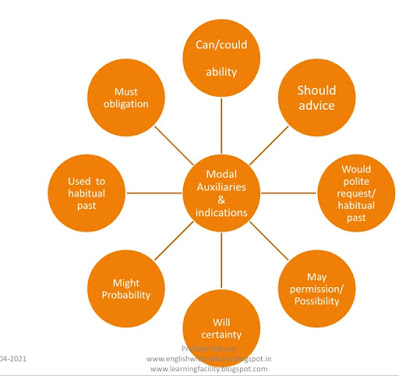
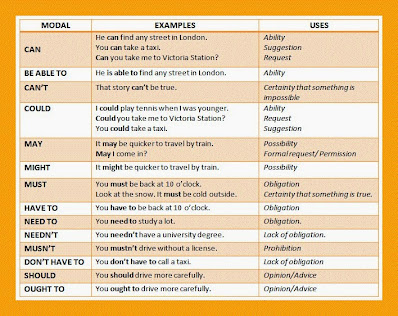
Modal auxiliaries ‘will’, ‘shall’, ‘would’, ‘should’, ‘can’, ‘could’, ‘may’, ‘might’ and ‘must’ are followed by bare infinitives (infinitives without ‘to’)
Verbs like ‘let’, ‘make’, ‘see’, ‘hear’, ‘feel’, ‘watch’ and ‘notice’ are usually followed by object + bare infinitive.
Now fill in the blanks by using the appropriate infinitive:
i.The driver was arrested for failing ——(report, to report) the accident.
ii My father made me (go, to go) for a walk.
iii. Ramesh was made ———(pay, to pay) back the money.
iv. Sarika did not let me ————(see, to see) what she was doing.
Passive Infinitive
The passive infinitive is formed using “to be” + past participle (V3). Here are some examples: