The English language is rich and expressive. A single word can have many variations depending on the situation. One such word is “cut.” We often use “cut” for everything—cut hair, cut vegetables, cut prices, cut connection—but English offers more precise and professional alternatives. Knowing the right word for the right context makes communication clearer and more impressive. In this post, let’s explore different words used instead of “cut,” organised by situation, with meanings and examples. A worksheet is added at the end for practice.
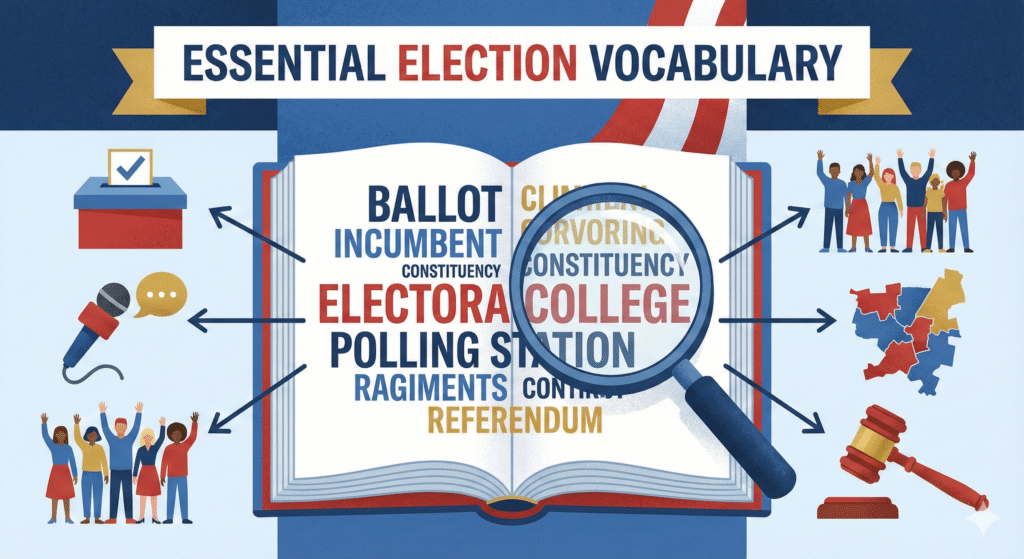
Here is a clear, student-friendly Vocabulary List on the topic “Election” with Marathi meanings. Useful for Std 10–12 English writing, speech, poster, dialogue, and essay practice.
🔹 Election Vocabulary Words & Phrases (With Marathi Meanings)📘 Basic Words
Students Should Read and Practise Personal Response Questions.
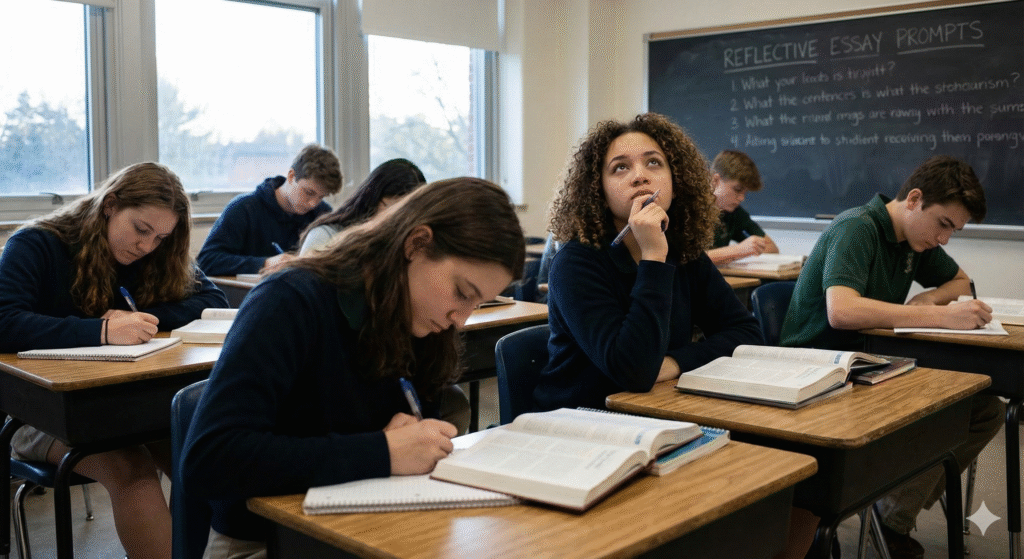
Personal Response questions are becoming an essential part of English learning, especially for students of Std. 11 and Std. 12. These questions do not just check memory—they develop thinking. Instead of simply recalling what happened in a story or poem, students are encouraged to explore why it happened, what message it gives, and how it relates to life. This makes learning English richer and more meaningful.
When students attempt Personal Response questions, they begin to connect literature with the real world. They compare characters with real people, relate themes to their own experiences, and reflect on human emotions and values. This builds empathy, confidence, and emotional understanding—qualities that go beyond textbooks.
Regular practice of Personal Response writing also improves language skills. Students learn to express opinions clearly, support their ideas with examples, and structure their thoughts in a logical way. Over time, they develop stronger vocabulary, better sentence formation, and natural writing fluency. Most importantly, they become independent thinkers who can analyse, question, and express themselves without fear.
For teachers, Personal Response questions turn the classroom into a lively and interactive space. Students discuss ideas, listen to different viewpoints, and learn from one another. This creates a more engaging and student-centred learning environment.Whether preparing for exams or wanting to strengthen English skills, practising Personal Response questions is one of the best ways to build understanding, creativity, and confidence. The next time you read a text, pause for a moment—think, feel, and respond in your own words. That is where true learning begins.
1. Do you think the astrologer was justified in hiding his past? Why or why not?
The astrologer hid his past because he wanted to escape the guilt of nearly killing a man and start a new life. While his fear is understandable, hiding the truth is not fully justified. He avoided taking responsibility for his actions. However, his transformation into a harmless astrologer shows that people can change. So, morally it was wrong, but psychologically it was a human reaction.
2. What do you think is more impactful: politeness or assertiveness? Explain with examples.
Both qualities are important, but assertiveness is often more impactful because it helps a person express needs clearly without hurting others. For example, a student who politely asks for extra time may be ignored, but one who assertively explains the reason is more likely to get help. Politeness creates goodwill, but assertiveness creates results. The best impact comes from combining both—being firm yet respectful.
3. If you were in Soapy’s situation, how would you try to improve your life?
If I were in Soapy’s place, I would first seek temporary shelter or help from a social service organisation instead of trying to get arrested. Next, I would try to find small jobs to earn money, like cleaning, delivery, or helping in stores. I would also avoid negative people and influences. Most importantly, I would set small goals—like getting clean clothes, saving money, and rebuilding confidence. This practical effort could slowly change his direction in life.
4. What are the ethical concerns of using big data? How can these be addressed?
Ethical concerns include privacy invasion, misuse of personal information, data manipulation, and unfair discrimination (for example, denying loans based on hidden algorithms). These issues can be addressed through strict data protection laws, transparency about how data is used, giving users the right to control their information, and creating ethical guidelines for companies. Responsible use of big data must balance innovation with human rights.
5. Why do you think people, like Mabel in the story, often feel insecure about themselves?
People often feel insecure due to low self-esteem, negative self-image, past criticism, or fear of being judged. Mabel feels insecure because she believes she is not pretty and compares herself with others. Society’s expectations also increase self-doubt. Insecurity grows when people focus more on their weaknesses than their strengths.
6. What is your opinion on Chris McCandless’s decision to abandon everything and venture into the wild?
Chris McCandless’s decision was courageous but also risky. He wanted freedom from materialistic life and sought meaning through solitude and nature. This shows idealism and strong self-belief. However, he underestimated the dangers and isolation, which ultimately cost him his life. His journey inspires us to pursue passion but also teaches us to stay prepared and practical.
7. How can travel help in breaking stereotypes about people and cultures?
Travel exposes us to diverse lifestyles, traditions, and viewpoints. When we meet people from different backgrounds, we realise that many stereotypes are false or exaggerated. For example, visiting rural areas may show hospitality that media never highlights, or travelling abroad may reveal that people are more similar than different. Travel makes us more open-minded, tolerant, and understanding.
8. What role do failures play in achieving excellence? Share your perspective.
Failures teach valuable lessons that success cannot. They help us understand our weaknesses, improve our strategies, and develop resilience. Every great achiever has failed before succeeding. Failure is not the opposite of success—it is a part of the journey. Those who learn from failure ultimately achieve excellence.
If you found this post useful, kindly share it with your students and fellow teachers.English For Me will continue to provide practical resources, worksheets, activities, and study material for English learners. Keep visiting!
Full practice of writing skills is essential for every Std. 12 student preparing for the MSBSHSE English Board Exam. To support teachers and help students forfullpractice, I have created a comprehensive Std. 12 English Writing Skills Practice Sheet covering all important tasks such as news writing, summaries, mind mapping, SOP, email writing, poetic creativity, compering, interview questions and more.This practice sheet is designed to make classroom teaching easier, structured, and exam-oriented.
Teachers can freely share this resource with their students to improve daily writing practice, enhance clarity of expression, and build confidence for board exams. Regular use of this sheet will not only strengthen students’ writing skills but also help them score higher marks.Feel free to distribute, print, or use this material during classroom activities, assignments, or remedial sessions to support better learning outcomes.
Q.1. Expand any ONE of the following ideas in 120–150 words: a) Honesty is the Best Policy b) Failure is the Stepping Stone to Success c) Time and Tide Wait for None d) Education Makes Life Better
Q.2. Prepare a news report based on any ONE headline: a) “State Level Youth Festival Begins in Nagpur” b) “Heavy Rains Disrupt Life in Chandrapur District” c) “Rural Students Shine in HSC Examination” d) “Mega Job Fair Held at Mahatma Gandhi Jr. College, Gadchandur”
Q.3. Prepare a message for any ONE situation: a) Your teacher calls while your brother is not at home. Write a message for him. b) A friend informs about an urgent change in study schedule. Write the message. c) Principal wants to inform students about a change in exam timetable. Write a message.
Q.4. Draft an SOP for any ONE of the following: a) Applying for a B.A. English programme. b) Applying for a Diploma course in Animation. c) Applying for an internship at a local newspaper.
Q.5. Write the points you would present in a group discussion on (Any ONE): a) Should mobile phones be allowed in colleges? b) Social Media and Teenagers c) Online Shopping vs Traditional Shopping
Q.7. Draft an email for any ONE of the following situations: a) Requesting details about an online certificate course b) Complaint about the poor quality of purchased study material c) Seeking permission for a school/college event
Q.8. Prepare a list of 8–10 interview questions for any ONE of the following: a) Interview with a school principal about improving English speaking skills b) Interview with a sports coach about the importance of discipline c) Interview with an environmental activist d) Interview with an entrepreneur / business owner
Q.9. Prepare a script for compering for ANY ONE programme: a) Annual Day Celebration b) Teachers’ Day Programme c) Farewell Function for Std 12 Students d) Independence Day Celebration
Q.12. Attempt ANY ONE activity: a) Convert the given poem lines into a short poetic paragraph in your own words. b) Add 2–3 lines to complete a poem on Nature / Friendship / Hope. c) Write a short free-verse poem (6–8 lines) on Freedom, Rain, or School Life.
Q.13. Write a blog on ANY ONE (100–120 words): a) Healthy Lifestyle Tips b) My Favourite Festival c) A Memorable Day in School d) Youth and Social Responsibility
Q.15. Prepare a speech on ANY ONE: a) Importance of Hard Work b) Cleanliness and Hygiene c) Role of Youth in Nation Building
Full practice of writing skills plays a vital role in helping students excel in the Std. 12 English Board Examination. This comprehensive full practice sheet is designed to make teaching easier and learning more effective. Teachers are encouraged to share this resource with their students, assign activities regularly, and use it during classroom tasks or remedial coaching. Consistent practice will not only improve students’ writing ability but also boost their confidence for the final exam. Feel free to use, print, or distribute this material to support better learning outcomes for your learners.
WordsCreating sentences helps you understand the words and prepares you for paragraph writing.
Example Sentences:
1. My village is surrounded by beautiful greenery.
2. The farms and fields look refreshing in every season.
3. People in my village are friendly and helpful.
4. The air is clean and peaceful.
5. Festivals are celebrated with great joy and unity.
6. The local market becomes crowded on weekly bazaar day.
7. I have sweet childhood memories connected to my village.
Step 3: Write a Paragraph Using the Sentences
Join the ideas smoothly. Avoid repeating the same words again and again.
Example Paragraph:
My village is surrounded by greenery, and the farms look refreshing in every season. People here are friendly, and the clean air makes the whole place peaceful. Festivals bring everyone together, and the weekly bazaar adds energy to the simple life of the village. I have many sweet childhood memories that make my village very special to me.
Step 4: Prepare the Final Blog
A blog should have a title, introduction, body, and conclusion.
Example Blog:
Title: My Beautiful Village
My village is a place full of beauty and peace. The green fields, fresh air, and simple lifestyle make it a wonderful place to live. People are friendly, and festivals bring everyone together with joy. Life moves calmly here, yet the weekly bazaar fills the streets with energy. My childhood memories are linked to every corner of this place. My village has shaped who I am, and it will always remain close to my heart.
Cleanliness keeps our surroundings healthy. Using a dustbin is a good habit. A neat home and school create discipline. We must avoid throwing waste on the road. Awareness helps everyone maintain hygiene.
Paragraph
Cleanliness protects our health and keeps the environment hygienic. Using dustbins, keeping rooms tidy, and avoiding littering are simple habits that make a big difference. Clean surroundings create discipline and reduce germs.
100-Word Blog
Title: Cleanliness for a Better Life Cleanliness is an important part of a healthy life. When we keep our surroundings neat, we protect ourselves from germs and diseases. Simple habits like using a dustbin, sweeping the classroom, and washing hands make a big difference. A tidy home or school creates discipline and comfort. Clean roads and public places also show our respect for society. Everyone should develop awareness about hygiene and motivate others to follow it. Cleanliness is not only a habit but also a responsibility that leads to a better environment for all.
Social media helps us stay connected. Students learn through videos and posts. Time-management is important while using apps. We get updates and information quickly. Creativity grows through content creation.
Paragraph
Social media connects people and provides useful information. Students can learn through videos, posts, and messages. Using these platforms requires time-management and responsible behaviour.
100-Word Blog
Title: Social Media and Students Social media has become a powerful tool for communication and learning. Students can watch educational videos, read posts, and follow useful updates from around the world. These platforms help us stay connected with friends and discover new ideas. However, wise use is essential. Spending too much time online affects studies and health, so time-management is important. When used responsibly, social media improves creativity, knowledge, and confidence. It can support education and provide opportunities for learning beyond the classroom.
Good health requires regular exercise. Our diet should include fresh food. Drinking water gives energy. Proper sleep builds strength. Healthy habits improve our lifestyle.
Paragraph
Health depends on exercise, food, and sleep. Drinking water, walking, and eating fresh meals help us stay fit. A balanced routine creates long-term wellness.
100-Words Blog
Title: Health Is Real Wealth Health is the most valuable part of our life. We stay strong and active when we follow good habits. Regular exercise, morning walks, and simple workouts give us energy. Eating fresh food and drinking enough water keeps the body fit. Proper sleep improves our mind and reduces stress. A balanced routine helps us focus on studies and work. Good health also improves confidence and keeps us happy. Taking care of our body is not difficult. Small daily habits can protect our long-term wellness.