A Glimpse of Grammar – Rules with Marathi Explanation (Std. 12)
1. Tenses (काळ)
a) Present Perfect Tense
Subject + has / have + V³
Marathi Explanation (नियमाचे स्पष्टीकरण):भूतकाळात केलेली क्रिया आता नुकतीच पूर्ण झालेली आहे किंवा तिचा परिणाम आताच्या काळात दिसतो, तेव्हा हा काळ वापरतात.
Example:👉 She has completed her homework.
(b) Past Perfect Tense
Subject + had + V³
Marathi Explanation:भूतकाळातील एका क्रियेपूर्वी दुसरी क्रिया पूर्ण झालेली होती, तेव्हा Past Perfect वापरतात.
Example:👉 The train had left before we reached the station.
c) Future Perfect Tense
Rule:Subject + will have + V³
Marathi Explanation:भविष्यात एखाद्या ठराविक वेळेपर्यंत क्रिया पूर्ण झालेली असेल, तेव्हा हा काळ वापरतात.
Example:👉 I will have finished my syllabus by March.
d) Perfect Continuous Tense
Rule:Subject + has / have / had + been + V + ing
Marathi Explanation:भूतकाळात सुरू झालेली क्रिया आतापर्यंत सतत चालू आहे किंवा काही काळ चालू होती, हे दाखवण्यासाठी वापरतात.
Example:👉 They have been studying English for two years.
2. Articles (a, an, the)
Rule:a / an – अनिश्चित, सर्वसाधारण नाम
the – ठराविक, ओळखीचे नाम
Marathi Explanation:कोणतीही वस्तू प्रथमच सांगताना a / an वापरतो.तीच वस्तू पुन्हा सांगताना किंवा ठराविक असेल तर the वापरतो.
Example:👉 She bought a pen. The pen is blue.
3. Prepositions (पूर्वसर्ग)Rule:नाम किंवा सर्वनामाच्या आधी येऊन त्याचा इतर शब्दांशी संबंध दाखवतात.
Marathi Explanation:वेळ, ठिकाण, दिशा, स्थिती दाखवण्यासाठी prepositions वापरले जातात.
Example:👉 The book is on the table.
4. Transformation of Sentences (वाक्य रूपांतरण)
Rule:दोन स्वतंत्र clauses and / but / so ने जोडावेत.Marathi Explanation:दोन साधी वाक्ये जोडून उभयान्वयी अव्ययाने compound sentence बनवतात.
Example:👉 He was tired but he continued working.
b) Simple → Complex
Rule:मुख्य clause + subordinate clause(using because, when, although, who, that)
Marathi Explanation:एका वाक्यात मुख्य वाक्य व अवलंबी वाक्य असते, तेव्हा complex sentence बनते.
Example:👉 I know the boy who is standing there.
Rule:अर्थ न बदलता not / no / never / hardly वापरणे.Marathi Explanation:होकारार्थी वाक्य नकारार्थी करताना अर्थ तोच राहिला पाहिजे.
Example:👉 He is clever.
➡️ He is not foolish.
Rule:If + not = Unless
Marathi Explanation:अट दाखवताना if not ऐवजी unless वापरता येते.
Example:👉 If you do not hurry, you will miss the bus.
➡️ Unless you hurry, you will miss the bus.
Rule:Positive → Comparative → Superlative
Marathi Explanation:तुलना करताना वाक्याचा degree बदलतो, पण अर्थ तोच ठेवला जातो.
Example:👉 No other student is as intelligent as Riya.
➡️ Riya is more intelligent than any other student.
Either…or
Marathi Explanation:दोन पर्यायांपैकी एकच पर्याय स्वीकारला जातो.
Example:👉 Either you stay here or you go home.
Neither…nor
Marathi Explanation:दोन्ही गोष्टींचा पूर्ण नकार दर्शवतो.
Example:👉 Neither the teacher nor the students were absent.
Rule:जास्त जोर देण्यासाठी वापर.Marathi Explanation:एखादी गोष्ट सांगताना दोन गुणांवर भर देण्यासाठी हा जोडशब्द वापरतात.
Example:👉 She is not only beautiful but also intelligent.
10. So… that
Rule:कारण–परिणाम दाखवतो.
Marathi Explanation:एखाद्या गुणाचा किंवा परिस्थितीचा परिणाम दाखवण्यासाठी वापर.
Example:👉 He was so weak that he could not walk.
Rule:Wh-word + helping verb + subject + main verb
Marathi Explanation:माहिती विचारण्यासाठी विधान वाक्याचे प्रश्नवाचक वाक्यात रूपांतर करतात.
Example:👉 She is waiting for her friend.
➡️ Whom is she waiting for?
Marathi Explanation:उत्तर अपेक्षित नसलेला प्रश्न विधानात बदलला जातो.
Example:👉 Who does not like success?
➡️ Everyone likes success.
Marathi Explanation:विधान वाक्याला भावनिक जोर देण्यासाठी प्रश्नवाचक बनवतात.
Example:👉 We should obey our parents.
➡️ Should we not obey our parents?
14. Change the Voice (Active → Passive)
Rule:Object + helping verb (be) + past participle (V³) + by + subject
Marathi Explanation:Active voice मध्ये कर्ता महत्त्वाचा असतो, तर Passive voice मध्ये कर्म महत्त्वाचे होते.Object ला subject बनवले जाते.
Example:👉 She writes a letter
.➡️ A letter is written by her.
15. Direct Speech → Indirect Speech
Rule:Said to → told
Inverted commas काढा Tense बदलतो (past मध्ये)
Marathi Explanation:कोणाचे शब्द जसेच्या तसे सांगितले असतील तर Direct speech,तेच शब्द अर्थ बदल न करता सांगितले तर Indirect speech.
Example:👉 He said, “I am tired.”
➡️ He said that he was tired.
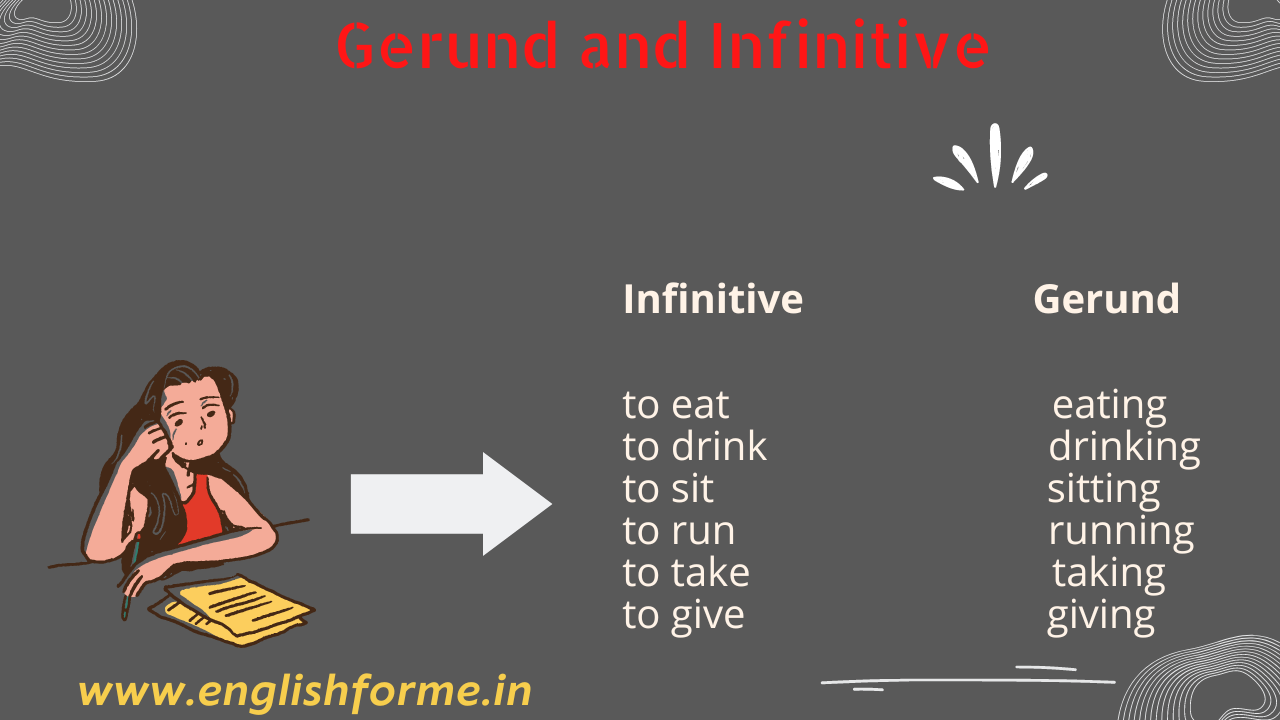
16. Gerund (Verb + ing as noun)
Rule:Verb + ing जेव्हा नामासारखे वापरले जाते तेव्हा Gerund.
Example:👉 Reading improves knowledge.
4. Infinitive (to + verb)
Rule:to + base form of verb
Example:👉 She wants to learn English.
5. Modal Auxiliary Verbs (Helping Verbs) Used for
a) May- Permission / Example:👉 You may enter the room.
b) Should – Advice
Example:👉 You should respect your teachers.
c) WouldRule: Polite request / habit in past
Example:👉 He would help the poor.
d) Used to Past habit भूतकाळातील सवय जी आता नाही.Example:👉 I used to play cricket daily.
e) Must – Compulsion / strong necessity.
Example:👉 You must obey the rules.
f) Will – Future action / determination / certainty Example:👉 I will succeed.
🎯 Std. 12 विद्यार्थ्यांसाठी अंतिम सूचना✔ नियम + मराठी अर्थ समजून घ्या✔ रोज 2–3 रूपांतरण प्रश्न सोडवा✔ लेखी सराव करा
🌐 More such easy grammar notes:👉 https://englishforme.in